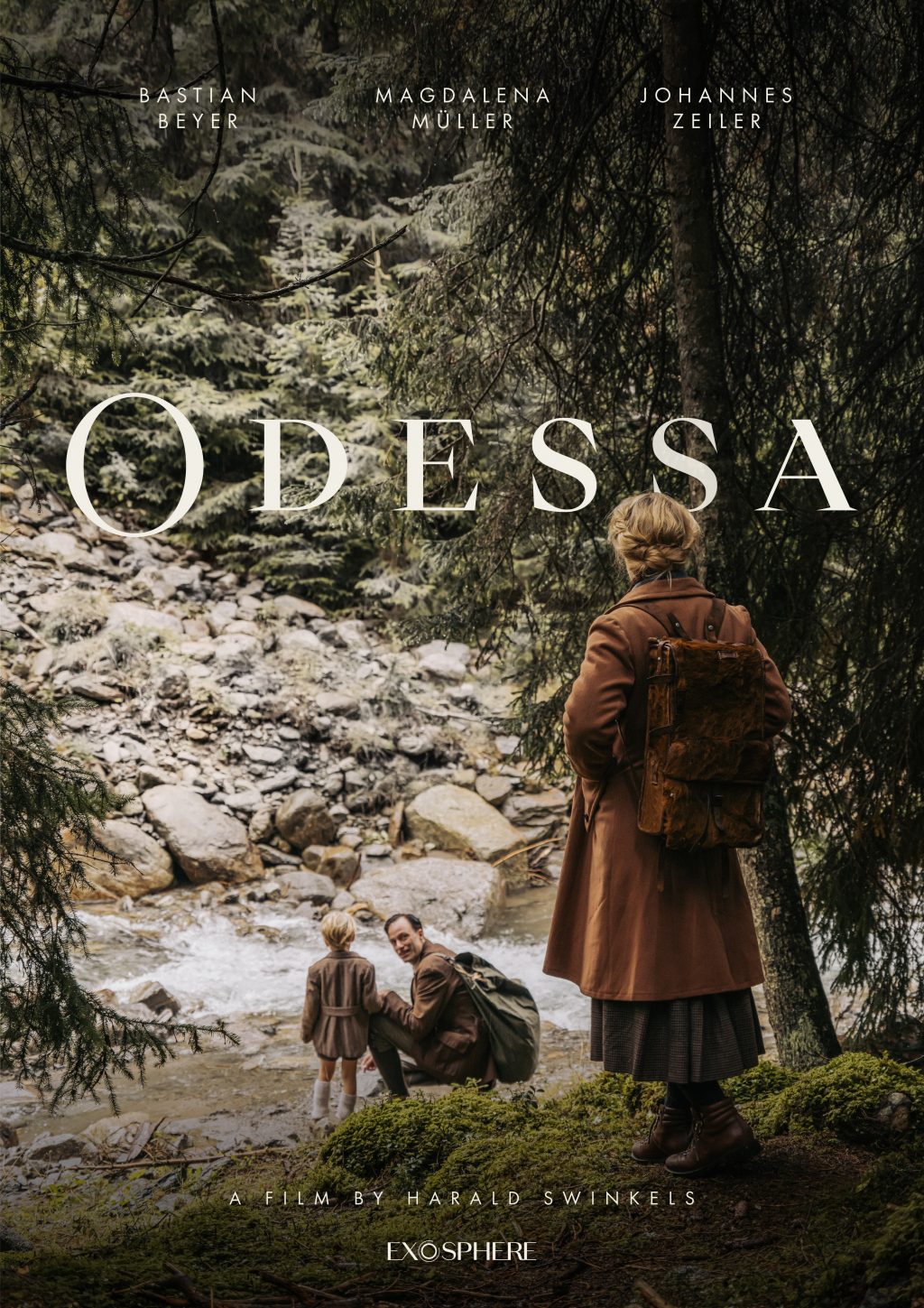
Director/Writer: Harald Swinkels.
Stars: Bastien Beyer (Josef), Magdalena Müller (Irene), Johannes Zeiler, Tom Peper (Rolf).
Cinematography: Johan Dijkstra.
Producer: Rianne Beenes
Set in the fractured, immediate aftermath of World War II, Odessa follows a family fleeing for their lives. Josef (Bastien Beyer), his wife Irene (Magdalena Müller), and their young son Rolf (Tom Peper) journey across the rugged, unforgiving terrain of the Austrian-Italian Dolomite.
Every so often, a film comes along that challenges audience expectations. Odessa does this by taking our own empathy and turning it against us. Writer and director Harald Swinkels intentionally builds up our judgements, and perceptions before completely shattering them. His haunting short film – fresh from its official selection at the Cleveland International Film Festival -does exactly that and more. It’s a gripping tale of morality, survival, and the unsettling ease with which compassion can be manipulated.
What begins as a tense, emotional survival story becomes something more disquieting and complex. Swinkels leaves a trail of narrative breadcrumbs that unsettles our sense of trust. We watch the family navigate a dangerous world where moments of kindness and sanctuary give way to suspicion and pursuit. What is the significance of the secret password that makes them honoured guests for a local priest, yet terrifies a local farmer?
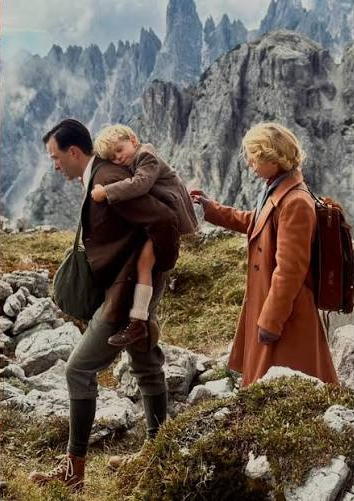
Swinkels presents a deeply empathetic, universal portrait of a family on the run. Josef and his family are utterly isolated, their existence defined by the fear of imminent capture. This sense of foreboding is stunningly amplified by cinematographer Johan Dijkstra.
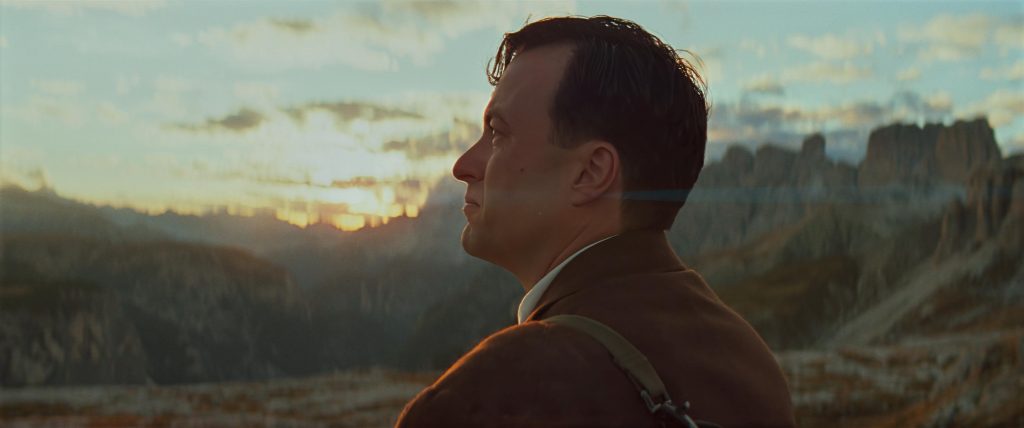
Shot on rich 35mm celluloid, Dijkstra uses the texture and discipline of celluloid film making to heighten both the period realism and the underlying unease of Josef and his family’s plight. The screen is filled with stunning yet profoundly haunting imagery. From towering mountains and suffocating mist-covered forests to vast open fields, all underscore the family’s total vulnerability.
The strength of Odessa lies in its restraint, relying much on what is unspoken. Any reveals are shocking yet subtle. This is most evident with the intersection of surreal, black-and-white blurred images of a mysterious figure slowly coming into frame. It’s an image that haunts the periphery of the frame, presenting a puzzle piece whose devastating significance is only truly revealed in the film’s final moments.
As Josef, the family patriarch leading his family to safety, Bastien Beyer anchors the film’s moral tension with a deeply layered performance. His disarming charm with a hint of chilling authority plays with audience emotions and perceptions. Beyer’s performance is matched by Magdalena Müller’s quiet, shifting unease as Irene. Backed by the international calibre of Johannes Zeiler, the cast brilliantly pulls the audience into an emotional perspective that becomes increasingly difficult to reconcile.
Award-winning filmmaker Swinkels, whose previous work includes the highly decorated Drawback and the Oscar-shortlisted Beyond Silence, uses the language of historical drama to interrogate urgent contemporary questions. Where do the monsters truly lie?
By aligning us so closely with a family in crisis, Odessa delivers a powerful, conversation-starting revelation that reframes everything that came before. The film is a visually arresting, intellectually provocative story that forces us to confront our own instincts. What elevates the story to a new level is its triggering of an internal examination of our empathetic response. It’s a layer that leaves a chilling impression, one that lingers long after the final frame.
Were you moved by Josef and Irene’s journey in ‘Odessa’, or did it leave you deeply unsettled? In a world quick to judge a family on the run, does this story change your perceptions. I’d love to read your thoughts! Let me know in the comments below. You can also head over to the Cine Bijou on Bluesky, Threads, and Instagram to share your thoughts with our growing community of cinephiles.