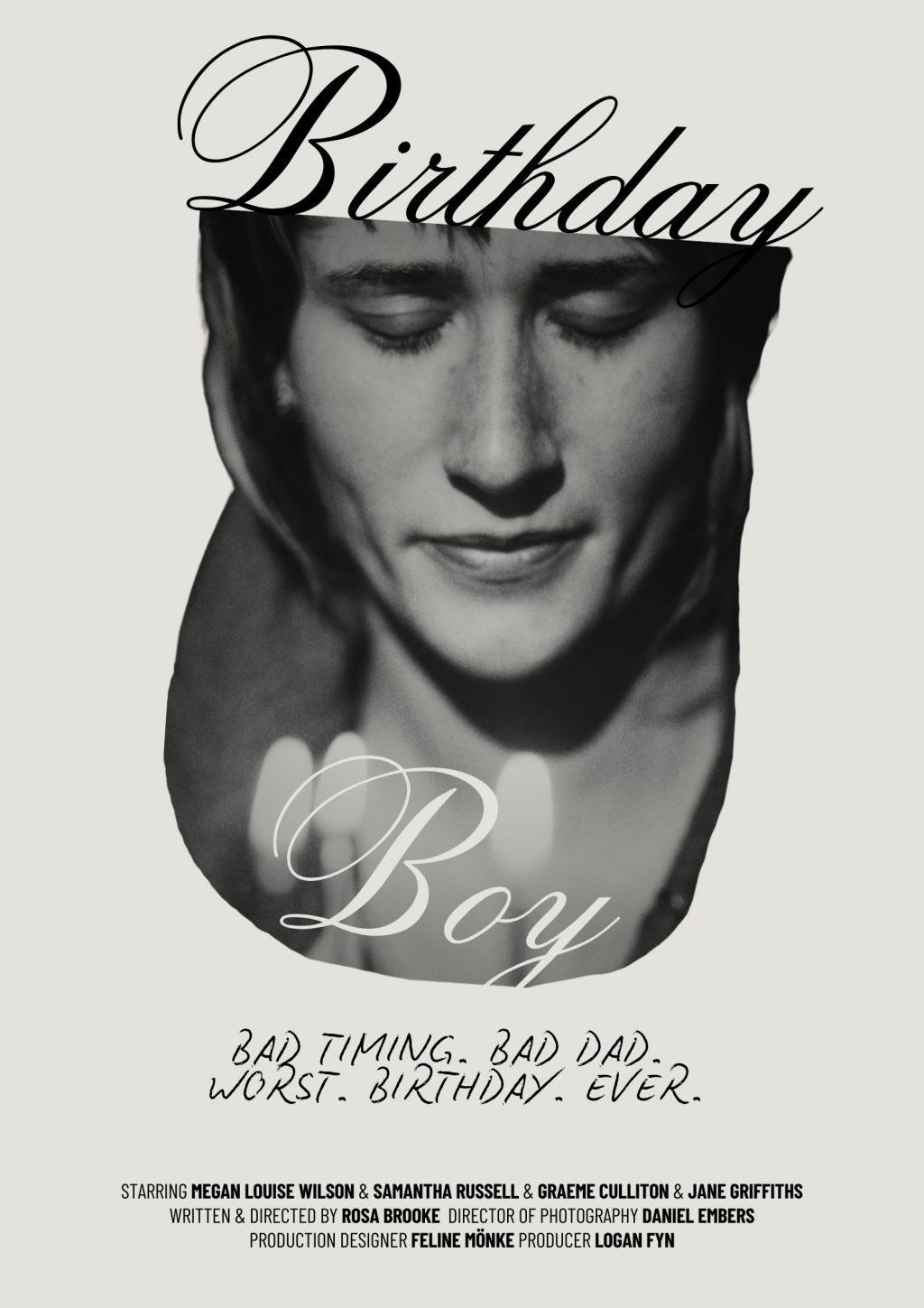
Writer/Director Rosa Brooke
Stars: Megan Louise Wilson, Graeme Culliton, Samantha Russell, Jane Griffiths
On their birthday, struggling artist Rae is grappling with an identity crisis and a deep sense of invisibility. When their father Jeff and his troubled wife Mandy visit, a sudden tragedy strikes. Yet Jeff insists on proceeding with a celebratory family dinner. As the day unravels, Rae desperately tries to manage the mounting chaos and family grief while being ignored by everyone. Eventually this leads to an awkward, long-overdue confrontation with Jeff.
Gender Identity: From Political to Personal
In an era where the gender identity debate is reduced to topical point-scoring, we lose sight of the most important factor: the human need to be seen. Rosa Brooke’s touching comedy-drama provides a much-needed aperture, zooming in on the individual. By stepping away from the “culture war” noise, Brooke focuses on Rae’s raw, personal feelings at the heart of the transition.
A Dysfunctional Family Saga
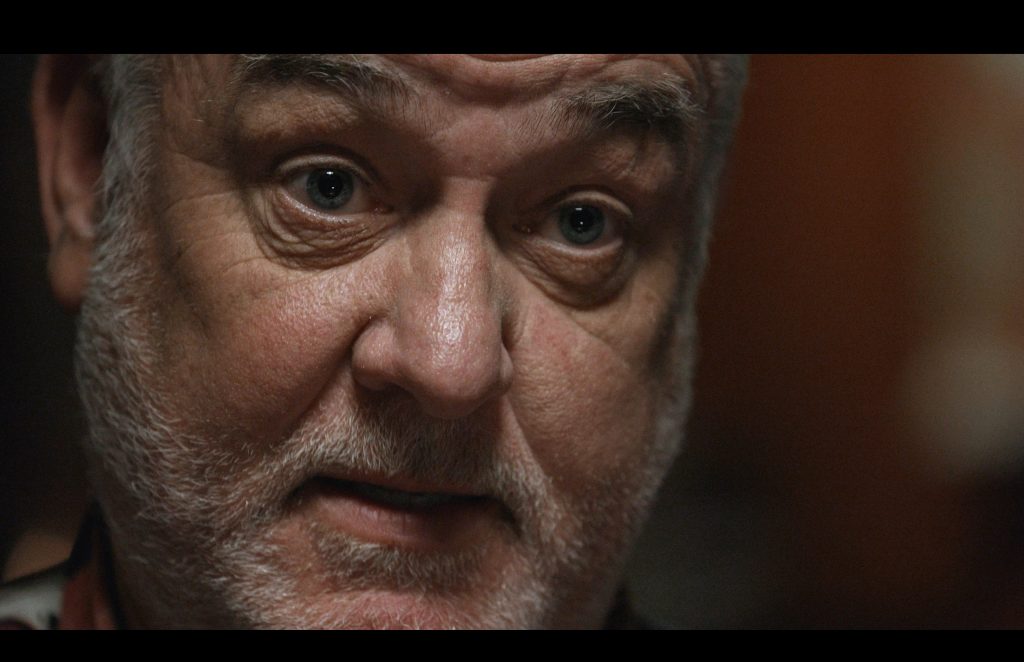
The strength of Brooke’s narrative lies in its intimate focus on the reactions of those closest to the protagonist. Rae’s father, Jeff, is a character many will find uncomfortably familiar. His self-centeredness and indifference make him difficult to like from the start. This is exemplified by his casual cruelty in kicking the family cat due to his allergies. Jeff’s refusal to acknowledge his wrongdoings serves as a psychological shield, allowing him to avoid the reality of Rae’s identity. This is underscored by his constant, dismissive references to Rae and their partner, Alice, as “you girls.”
Brooke perfectly captures the agonizing awkwardness of a dysfunctional family gathering. The script is both comical and chaotic, depicting Rae as a powder keg with a lit fuse. Using tragedy and sharp humor, the film delivers a poignant message about the exhaustion of simply trying to exist..
A Comedy-Drama with a Social Message
The buildup to the inevitable confrontation is peppered with levity. Much of this comes from Alice’s desperate attempts to seek Jeff’s approval while simultaneously grappling with grief, and Mandy’s recurring tendency to pass out at odd moments. Even Jeff provides inadvertent humor through his “authentic” Spanish accent and penchant for food-based nicknames – he frequently refers to Rae as “Cookie” and Mandy as “Biscuit.”
As comical as these beats are, they amplify Jeff’s insistence on remaining oblivious to the world around him. When Rae finally confronts him, the atmosphere shifts entirely, and the performances take center stage. At the heart of this comedy of errors is Megan Louise Wilson, who carries the film’s most challenging weight as Rae.
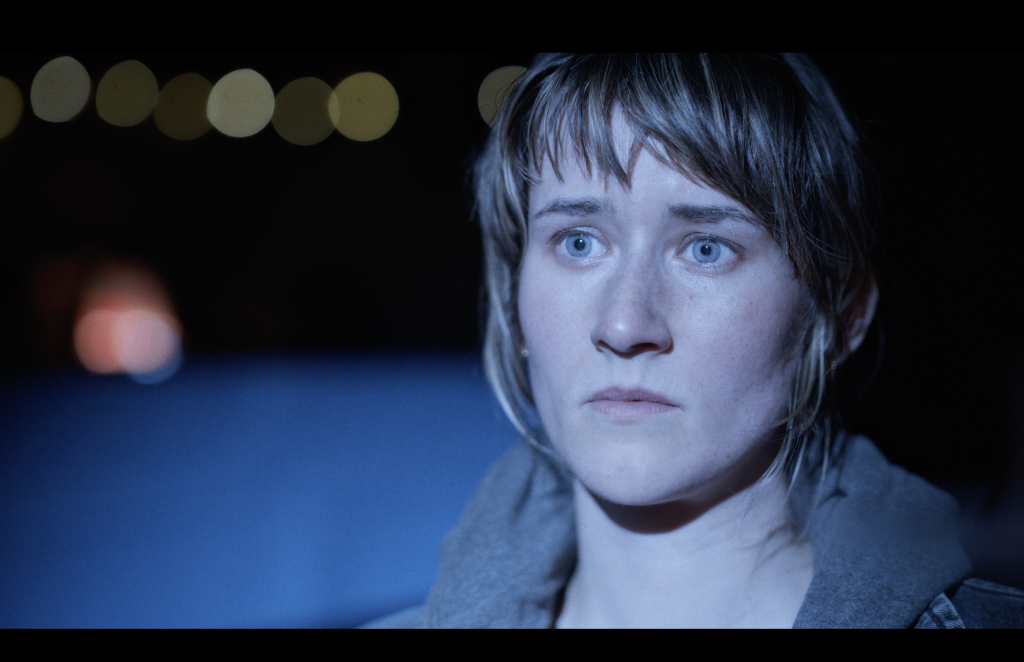
Rae’s nervousness is compounded by a desire to be forthright without causing a scene. Wilson brilliantly portrays this internal constriction. In her debut she offers tempered responses to situations that would leave most people livid: Jeff’s treatment of the cat, its subsequent passing, and Alice’s kowtowing to Jeff’s demands. This restraint creates a palpable, frustrating yearning for Rae to finally speak their truth.
Performance Review
The supporting cast clearly relishes their roles. Graeme Culliton makes Jeff cringeworthy yet nuanced; he avoids making him a cartoonish villain, instead portraying a character whose harm stems from total self-absorption rather than active malice. Samantha Russell takes Alice on a journey from a pillar of support to an emotional wreck, adding a layer of “sad-funny” discomfort to the dynamic.
However, the standout comedic performance belongs to Jane Griffiths as Jeff’s long-suffering wife, Mandy. While her frequent fainting provides physical comedy, her perpetual state of intoxication hints at something deeper. There is a certain sense that is more sympathetic pain – likely the result of being married to Jeff.
A Personal Story of Identity
Ultimately, Rosa Brooke’s film succeeds because it refuses to preach. By trapping the audience in a living room filled with grief, alcohol, and misunderstandings, it illustrates that the “gender debate” isn’t an abstract political concept, more of a lived experience. Through Wilson’s reservedness and Culliton’s blustering ignorance, the film reminds us that while the world argues over optics, individuals are simply fighting for the right to be seen and accepted by the people they love. It is a messy, hilarious, and heartbreaking look at the cost of being oneself in a family that isn’t quite ready to listen.