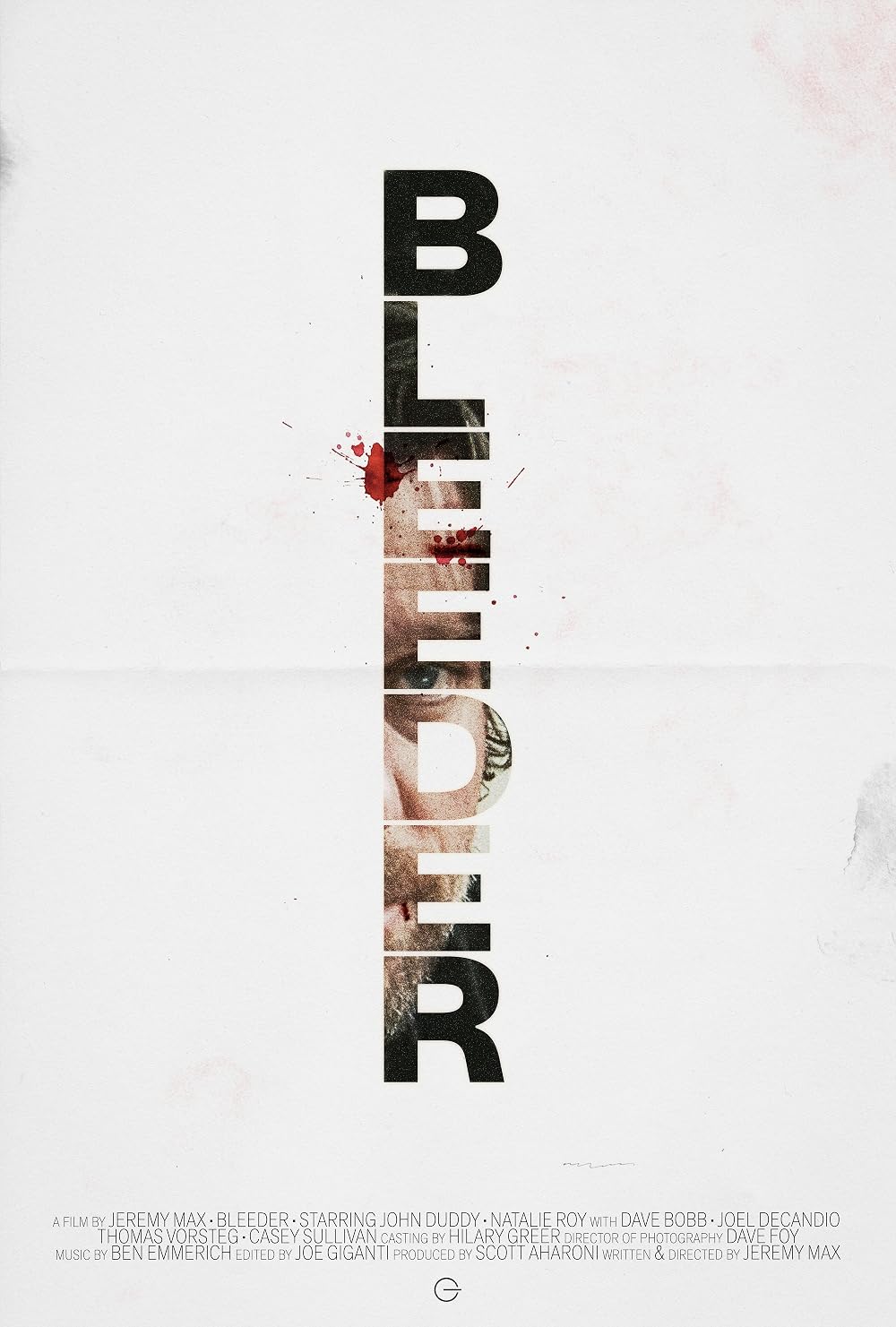
Few short films attempt, or even achieve, the visceral emotional weight BLEEDER. Written and directed by Jeremy Max, the psychological drama follows a man who subjects himself to brutal physical beatings for a paycheck. However, this serves only as an attempt to numb an agonising internal trauma. The film recent received its world premiere at the HollyShorts Film Festival in Los Angeles. BLEEDER stands out as a harrowing yet deeply human portrait of masculinity, grief, and the elusive search for catharsis.
Starring former professional boxer John Duddy, alongside Natalie Roy, BLEEDER is an exercises in stark juxtaposition. The film skilfully balances claustrophobic, violent encounters with quiet, delicate moments of human connection. Its aim is to ask whether physical pain can ever truly wash away emotional suffering. In this exclusive interview, Jeremy Max helps us unpack the indie filmmaker’s personal inspirations, his deliberate visual choices with cinematographer David Foy, and how this powerful short film lays the groundwork for an upcoming feature adaptation.
On the film’s Inspiration
Cine Bijou: Thank you for taking the time to speak with us. Having watched the film I’m curious what was the inspiration for this story? It feels deeply personal.
Jeremy Max: This is a question that has come up a lot, and it’s a good one because obviously the premise is so heavy-handed and out there. The idea for Bleeder came from a very personal place. I was at a point in my life where things that usually excited me had become dull and listless. Going to the movies, for example – my biggest love – had just become far less enjoyable. I was questioning why I was continuing to engage in things that actively brought me pain instead of pleasure.
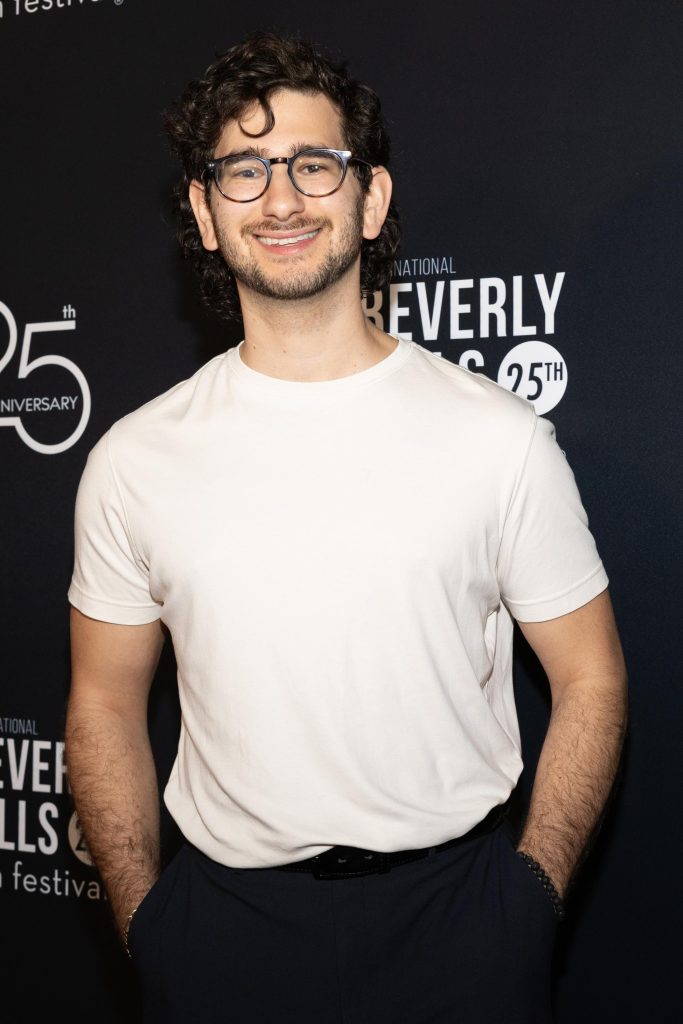
The idea grew out of that mindset and into a story about someone who chooses to live in a perpetual state of pain. I knew I wanted to make a film about a man who lets others beat him up for payment, but it wasn’t until a family tragedy occurred that I was inspired to write from an extremely personal place of deep suffering and pain.
Cine Bijou: I’m sorry to hear that. Aside from tapping into your own personal grief and struggles, what further research did you undertake into the effects of trauma and self destructive traits to bring such gritty authenticity to this tale?
Jeremy Max: I definitely want to keep some of my secrets regarding my development process, but I think I focused purely on what grief physically does to a person. That deep dive brought me into some interesting places. I also looked at the impact of repeated blunt force trauma and how that can splinter one’s psyche. It was a broad process, and with any film I make, I want it to come across as well-researched as possible. Films feel that much more intelligible and interesting when they explore a very deep and specific corner of a topic.
On the Visuals & Craft
Cine Bijou: You’ve certainly brought new meaning to the phrase ‘Deep Dive’. Bleeder is intensely uncomfortable, and tense to watch. How did you and cinematographer David Foy approach balancing the wide shots that signify isolation with the claustrophobic, up-close framing during the beatings and intimate moments with Mel?
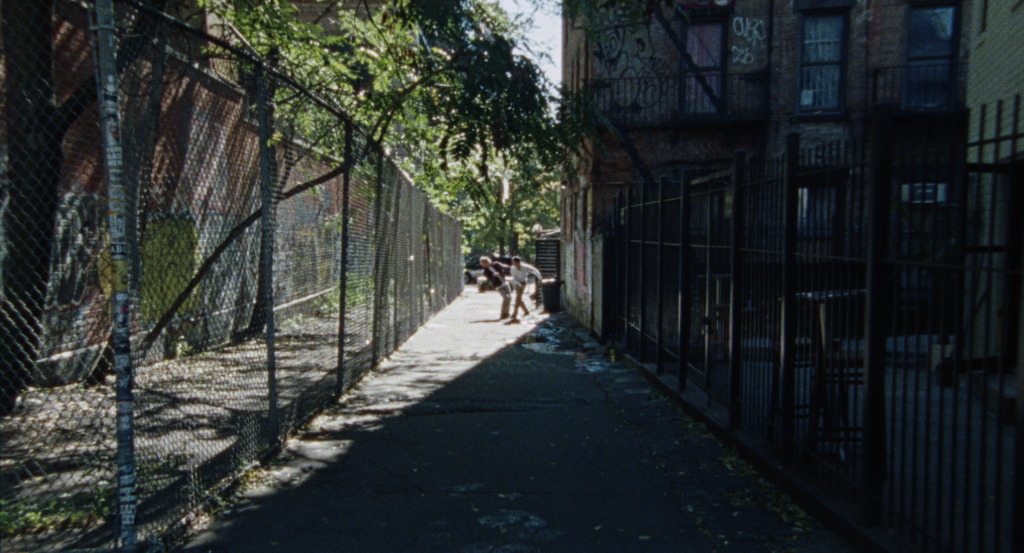
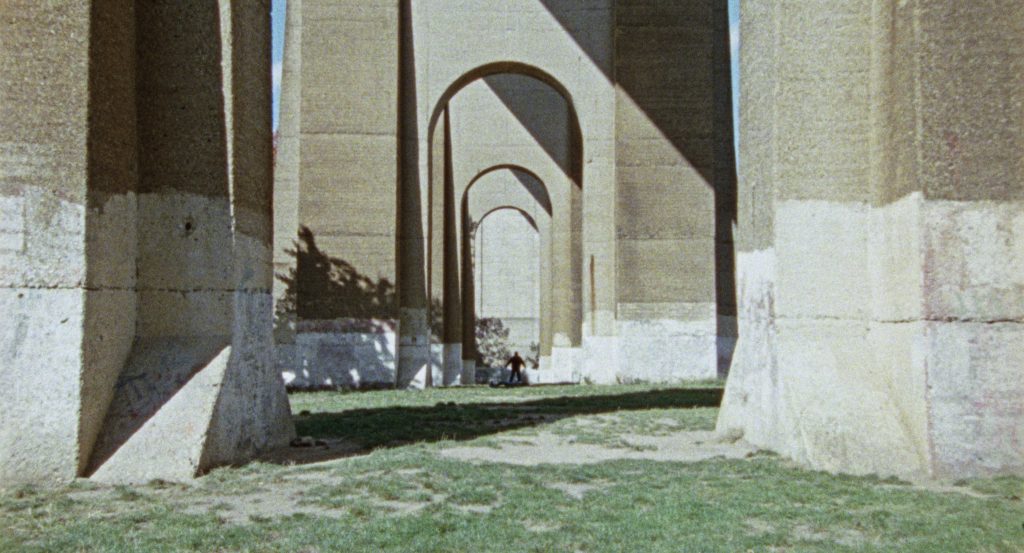
Jeremy Max: Dave and I early on wanted to switch between when we would have a very subjective point of view versus an objective point of view. We were very deliberate in delineating between the two. Every time Bleeder gets fought we wanted the camera to feel a bit freer – a bit more of a roamer, exploding in and out of each specific part of the space. This allowed the audience to feel like they are a part of the experience, immersed in it.
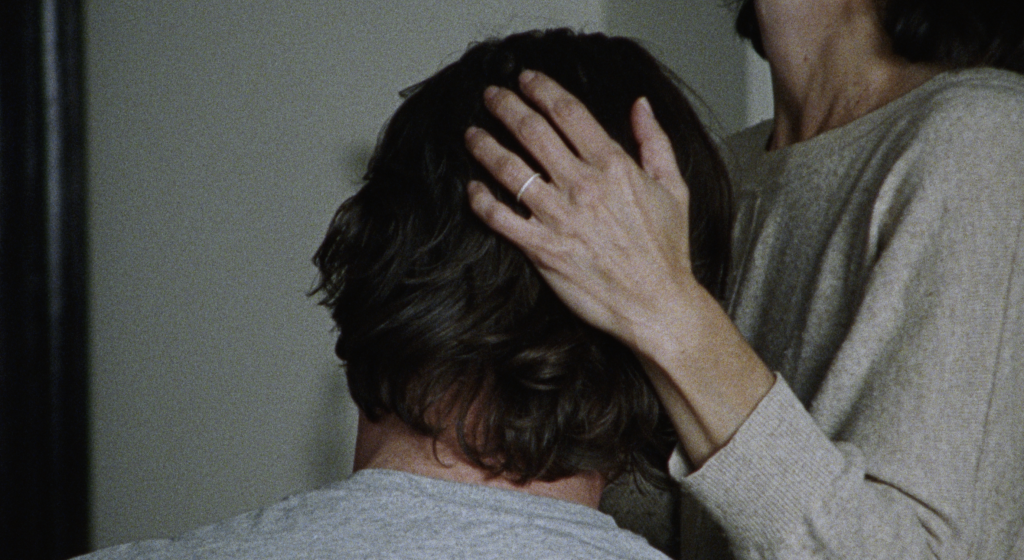
Whereas when we are in the more dramatic scenes with Bleeder and Mel, we find ourselves more as a fly on the wall – still observers watching this uncomfortable dynamic unfold. It felt more objective that way. The audience is not as in control.
Cine Bijou: I see. In both the brutal beatings and the tender moments, the camera captures the physicality in detail from the pain of every strike to the softness of human touch. What conversations did you have with David Foy about visual empathy versus stark realism?
Jeremy Max: I believe it all starts with the material. The script very clearly communicates the level of brutality in the beatings versus the more tender, sensitive, and quiet moments – the human moments. We wanted the beatings to feel stark, haptic, and frenetic. Wild and bestial. The more human moments, by contrast, needed to feel hauntingly still, containing echoes of past tragedy and current emotional suffering.
Our conversations were all about capturing those emotionally potent moments found in the material and making sure we were always doing the text justice.
On Trauma, Pain, and Character
Cine Bijou: Well you’ve certainly both done that. No pun intended here but one striking feature in the film is how the main character Bleeder’s self-destruction functions as a response to deep trauma. At one point, he tells a client, “You won’t hurt me,” and encourages them to hit harder. Is his willingness to be beaten an attempt to replace an unbearable internal emotional pain with a physical one he can control?
Jeremy Max: The whole argument the film is trying to make is: can physical pain heal our emotional wounds? That thesis is extrapolated over the course of the 17 minutes, as our protagonist reckons with the fact that this was an unfortunate lie he has learned to believe.
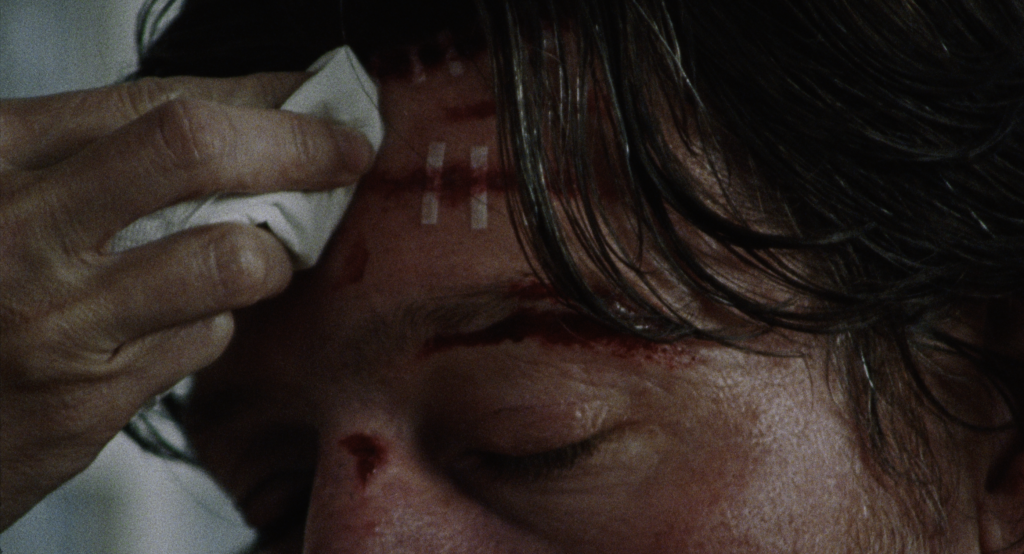
Nearing his breaking point, his deep-seated emotional trauma simmers and eventually bubbles to the surface.
Bleeder is a very self-righteous character as well. He believes he needs to carry the weight of the collective tragedy that both he and his wife, Mel, have been through. His self-retribution becomes a remedy for the pain they are both going through, while he is unwittingly trying to protect her in the process.
Cine Bijou: That certainly comes through strongly in the film. You cast former professional boxer John Duddy turned actor in the role of Bleder. He brings incredible authenticity to the role. How did you both work together to convey a character whose biggest battle is internal rather than physical?
Jeremy Max: This was always going to be the biggest hurdle when casting this role. Because, unfortunately, you need to find a dual threat – someone who can convincingly take these punches but also communicate a deep, harrowing internal hardship that can be conveyed to the audience.
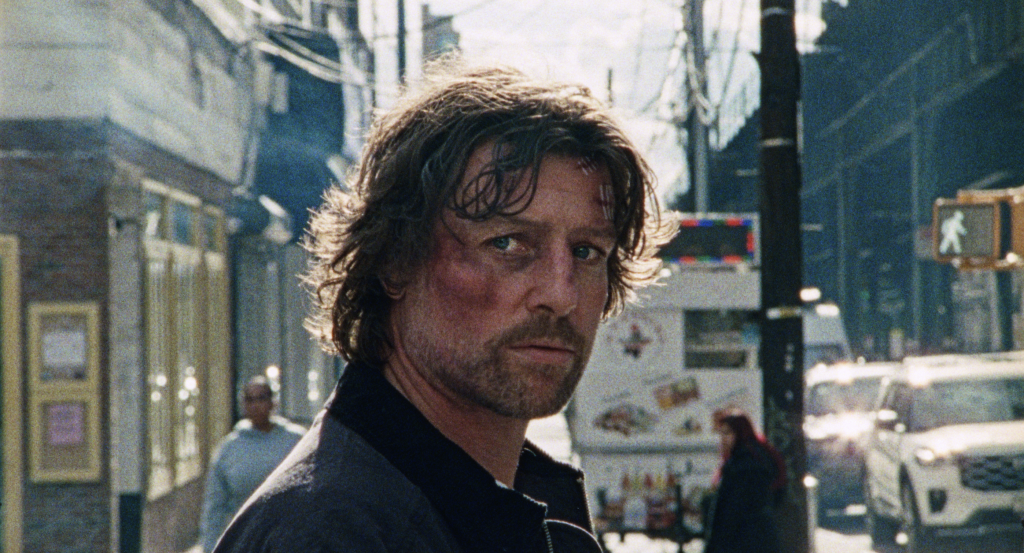
With John, I really wanted to give him the space to tap into his own personal life and draw parallels between that and the character. We also talked ad nauseam about how this is a character who is incredibly terse and reserved. Someone who doesn’t behave in a gregarious way, but instead can communicate through his eyes how much he’s hurting.
At one point, John and I created a shorthand where we would say “Kubrick Eyes,” essentially harkening back to the Kubrick gaze – a very listless, droning expression that usually creates a haunting texture in his work. But in Bleeder, it was a tool we used to communicate a deep sadness and foible. John did a masterful job bringing this character to life.
On the Ugly Side of Humanity & The “Clients”
Cine Bijou: That’s a great approach and yes I know Kubrick’s eyes very well. The eagerness of the “clients” to humiliate and continue beating Bleeder beyond their time, even spitting on him, is deeply unsettling. What were you exploring about the darker, hidden impulses of ordinary people when given complete permission to inflict pain without consequences?
Jeremy Max: I think everyone has ugly in them. But there is a great deal of humanity that also exists beyond the insidiousness. I really just wanted these characters to feel human, with urges they either can’t control or are curious about.
The first client presents as someone nascent to this sort of thing. He knows somewhere in the ether that this may work for him as a solution to whatever is going on in his life. I tried to keep that intentionally vague. But with the later clients, they either genuinely need to inflict pain, have been doing it for a while, or are going through a tremendous amount of hardship in their lives.
They are just as broken as Bleeder. I really wanted the clients to be a mirror to him.
Cine Bijou: Each beating Bleeder endures seems progressively worse than the last. Was this escalation designed to reflect Bleeder’s spiraling self-worth, or to push the audience to a breaking point before offering a path toward redemption?
Jeremy Max: This was all very intentional. Bleeder is on the cusp of absolution and redemption in every successive moment, and the more brutal the beatings get, the more he realizes that it’s not healing him in the way he thought it would.
Simultaneously, it’s a two-hander because I want the audience to feel just as squeamish with this escalation. Bleeder is also going through a tremendous crisis of faith, and his deteriorating sense of self-worth comes into play in a major way as well.
On Redemption, Hope, & Audience Impact
Cine Bijou: As I said before it is uncomfortable to watch. Amidst the tension and brutal violence, the relationship between Bleeder and Mel (played by Natalie Roy) offers a counterweight of warmth, compassion, and hope. How did you approach using human connection as the ultimate catalyst for forgiveness rather than punishment?
Jeremy Max: I think we all have the capacity to change. I truly believe that the greatest way to heal your wounds is by not doing it alone. So much of the time, I find that people try to soldier on in their own lives despite reaching out for help. This approach can definitely work, but I find that it takes much longer.
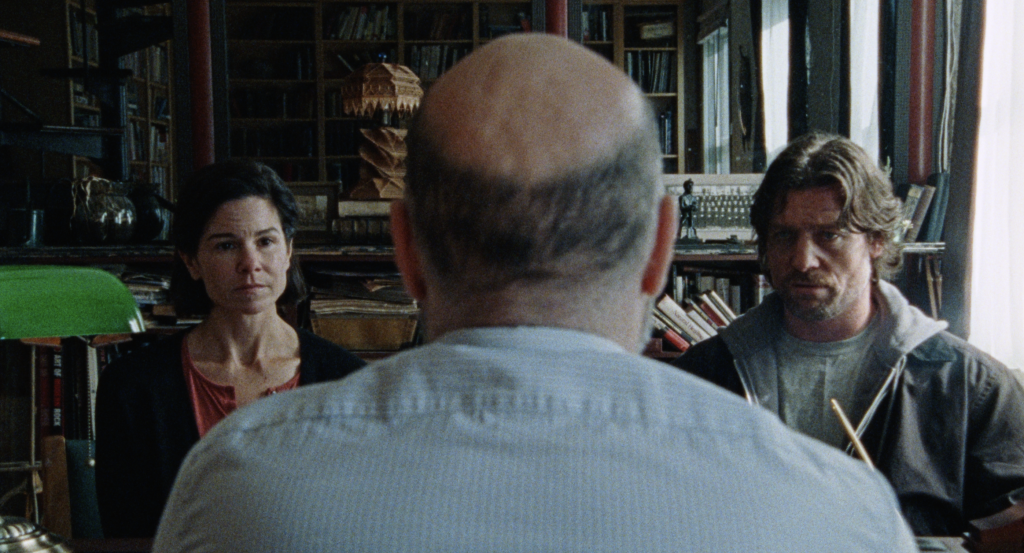
Human connection is the greatest tool of them all. It is the thing that binds us all on the same continuum. It provides us with the wherewithal to understand that we are simply all living in the same space and time with one another.
Cine Bijou: Because the film deals so candidly with intense trauma and self-destruction, it hits very close to home for many viewers. As BLEEDER makes its World Premiere at the HollyShorts Film Festival in LA, what do you hope audiences take away from this intense, emotional journey?
Jeremy Max: I really hope that audiences can experience a wide array of emotions. As I said earlier, I really want my audience to feel squeamish while watching the scenes where Bleeder gets beaten up, but I also want them to feel a deep sense of remorse for the characters as they experience their suffering.
By the end of the experience, I hope people can reflect on the pain in their own lives and question how they have tried to find a prescriptive approach to that pain, and whether their approach was purely motivated by a lie they had learned. Whatever that may be, I want to encourage people to find the beauty in life beyond the cluttered darkness and understand that human connection reigns supreme.
It’s an honor to screen at HollyShorts, and I can’t wait for audiences to experience this journey.
Cine Bijou One last question. BLEEDER is also serving as a proof of concept for an upcoming feature adaptation. How will expanding this short into a feature allow you to delve deeper into these themes of identity, trauma, and catharsis?
Jeremy Max: I’m really interested, first and foremost, in expanding this world and making it feel even more tangible and specific. That’s been a big part of the work – really deciding how I want this world to feel.
Ultimately, I can have a much different thesis with the feature. It doesn’t have to be such a truncated process as it was with the short. We can really have a fully-fledged story that allows us to dive deeper, intrinsically.
The feature has become something more about the interconnectivity between an intimate web of people and how violence can bind us in unexpected ways. It’s a deconstruction of masculinity and how the remnants of our past can re-materialize in interesting and unexpected ways. I’m excited to get it out into the world. It’s going to be something special.
Did you catch the world premiere of BLEEDER at the HollyShorts Film Festival in LA? If so what did you think of the film? How much did it impact you emotionally. Does our interview with the film’s writer & director Jeremy Max add to your interpretation of its themes. Let us know either by leaving a comment or find and follow us on the following social media platforms and start a conversation – Bluesky, Threads, and Instagram.